 How to play
 All dinos
 Codes
 Updates
Inside development: how Grow a Dino is built
Phones first, the same numbers on every server, honest odds and safe trades. A look at the ideas behind the game code.
By Mega Mammoth Games3 min read
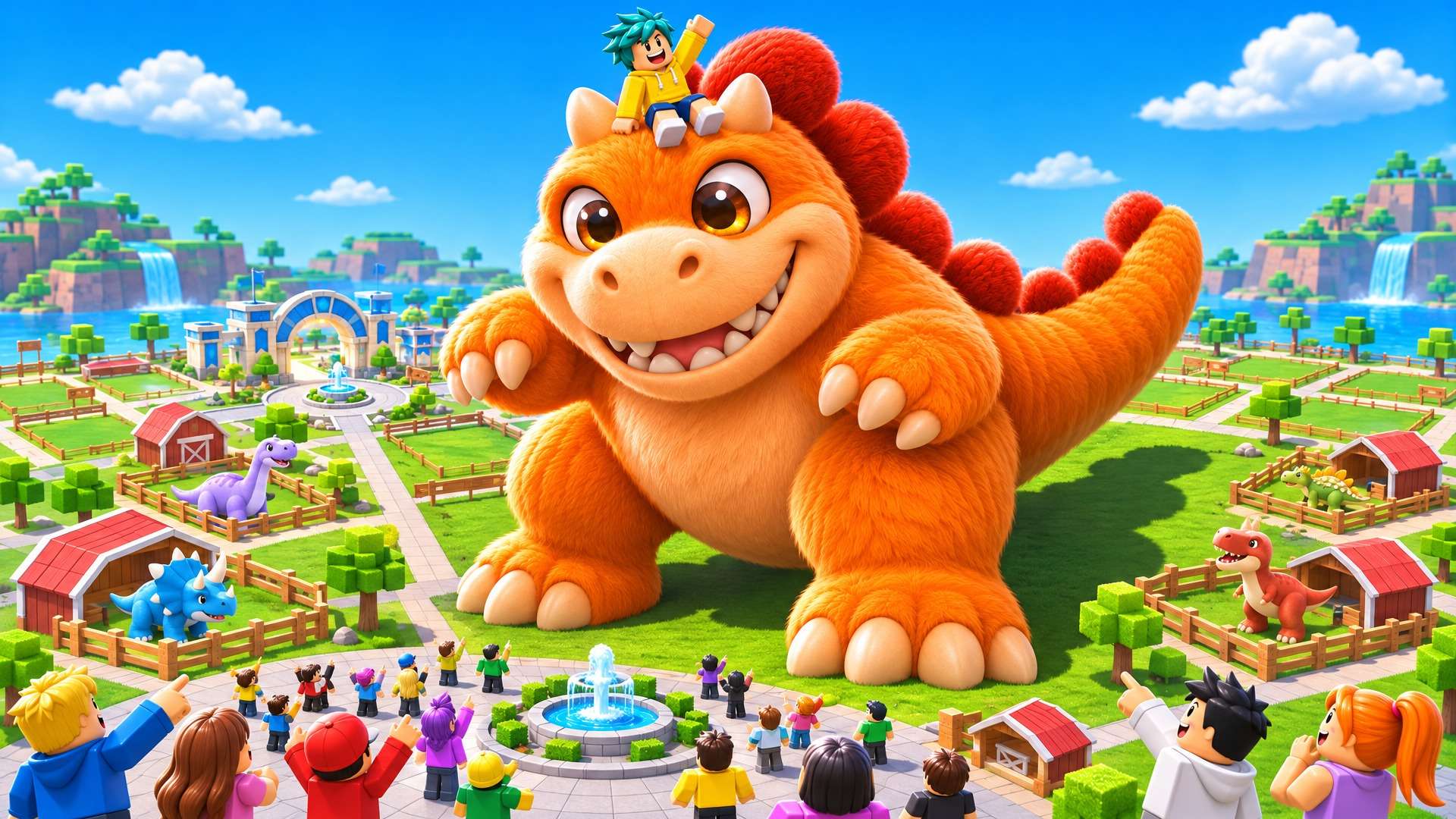
Two days before launch, a look behind the scenes. This post is about how Grow a Dino is built: the rules the code follows, how it is tested and why some features look the way they do. Everything here describes the game as it is today, not plans.
One loop, easy to start
The core of Grow a Dino fits into one sentence: hatch an egg, feed your dino, watch it grow. A new player should understand what to do within seconds, without reading anything. That is why the first steps are built around one baby dino, one fruit tree and one button at a time. In your first minutes a surprise growth spurt drops a Golden Fruit with an Uncommon or better dino inside, so the first session already ends with something to be proud of.
Depth comes later and on the player's terms: six forms per dino, three mutations that can stack, upgrades for the farm, trading and events. None of it is needed to enjoy the first ten minutes.
Phones first
Many Roblox players play on a phone or tablet, so every screen in Grow a Dino is designed for touch first. Buttons are large, text scales with the screen, and panels use the full width on small screens. The settings include Reduce motion, which turns off confetti, bouncing arrows and pulsing effects, and Short numbers, which writes big amounts in a compact way.
The same second on every server
Events such as the Feast every 30 minutes or Meteor Night on Saturdays come from a calendar that is part of the game data. Every server computes the same list from the clock, so an event starts on all servers at the same second without servers having to talk to each other. A player who switches servers during Meteor Night does not miss anything.
Fair and visible chances
Every random egg in Grow a Dino has published odds. The game shows them before a paid egg is opened, and the same numbers are on our website, exported directly from the game code. Free eggs have a visible guarantee counter: at the latest the 25th free egg is Rare or better. Paid eggs never count toward it and never change it, so the guarantee is the same for every player.
There is also a simple rule for offers: during the first 60 seconds of every session, the game shows no offer cards. The first minute belongs to playing.
Trades that cannot go wrong
Trading is one of the features players care most about, and one of the easiest to get wrong. In Grow a Dino both players confirm twice before anything changes hands. Each trade is written to a trade journal first and only then applied to both profiles, so a dino can never be doubled or lost halfway. New players cannot trade during the first five minutes of their first session, which makes quick scams on brand-new accounts harder.
Codes with guard rails
Codes are redeemed in the Settings window. Big and small letters do not matter, and spaces are ignored. Each code works once per account. To stop guessing, every player has five tries per minute; after that, the code box waits two minutes. Codes give in-game rewards and never Robux.
Tested before it ships
The game code comes with automated tests for its systems, from hatching and growth to codes, trades and saving. On top of that, new builds are checked by hand in Roblox Studio, on phone and desktop screen sizes.
18 languages from day one
Grow a Dino launches in 18 languages. Texts come with notes for translators, and translations are checked for length so that buttons and labels still fit on a small screen. The name Grow a Dino stays the same in every language.
What comes next
Final checks, then launch on Friday, November 20 at 15:00 UTC. After that, every change lands in the update log on this website first. We only list new content there once it is in the game: no promises and no made-up dates.